
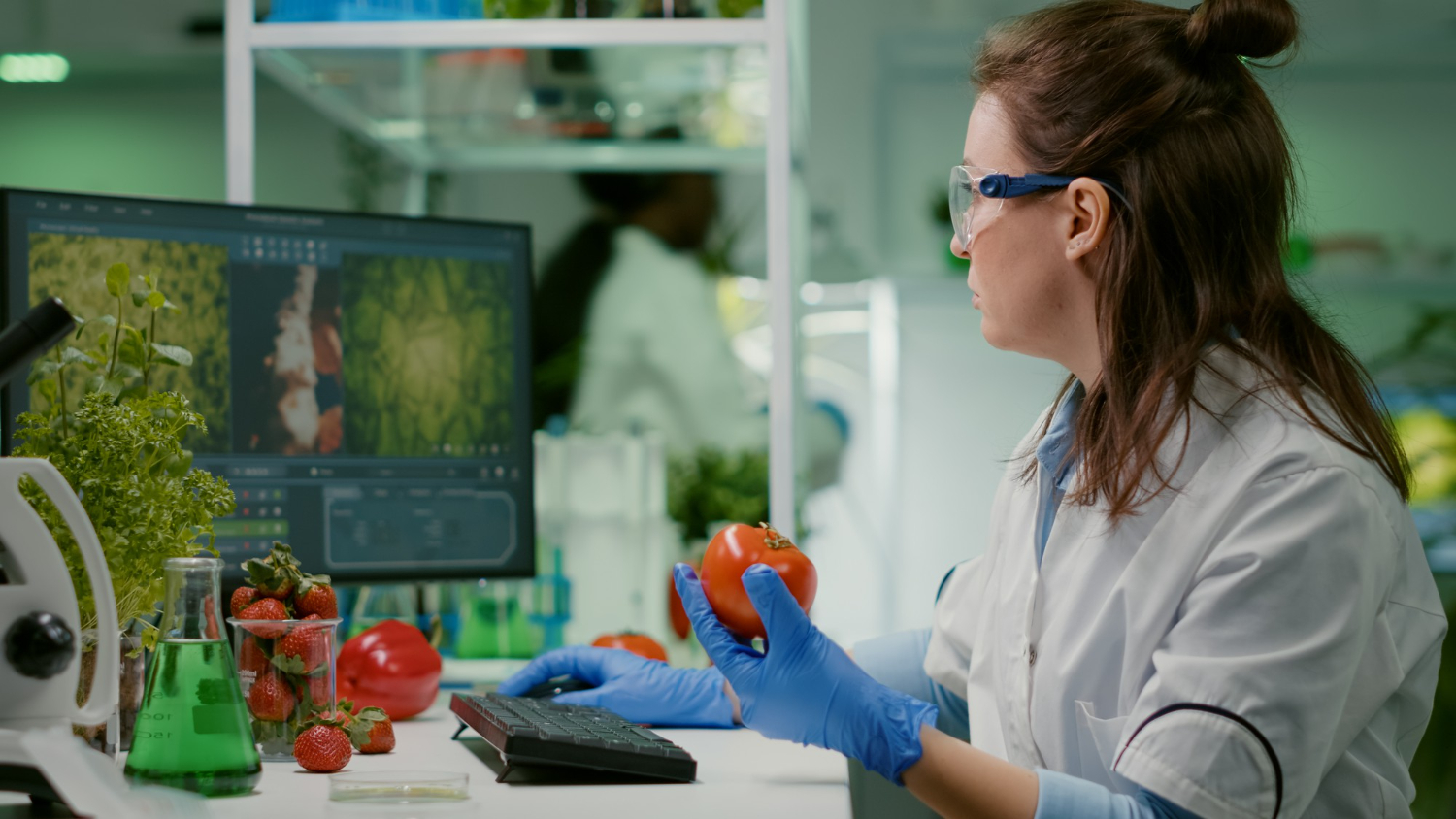
Artificial intelligence is redefining how the food industry develops products, optimizes processes, and accelerates innovation. In an increasingly dynamic market, where consumers demand superior sensory experiences, cleaner labels, enhanced functionality, and faster product launches, companies need tools capable of reducing technical complexity while improving decision-making speed.
In this context, digitalization is no longer simply an operational tool; it has become a strategic enabler of innovation.
Recently, several industry players have begun implementing AI-driven and immersive training solutions to strengthen technical capabilities, accelerate learning curves, and optimize the transfer of specialized knowledge. According to Food News Latam, new AI and simulation platforms are enabling companies to reduce training times while improving the efficiency of technical and operational teams.
This trend reflects a growing market need: developing better products in less time and with fewer iterations.
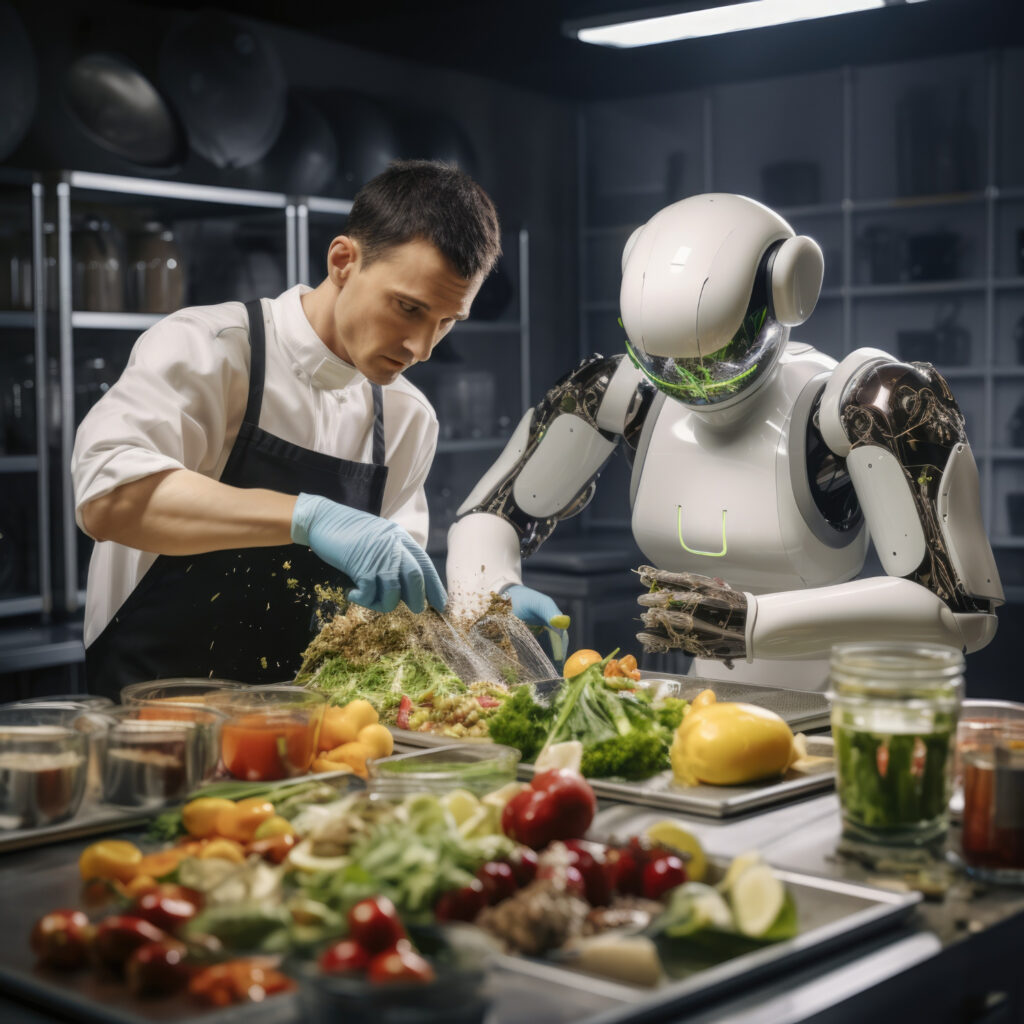
Applications such as chocolates, margarines, fillings, creams, and spreads involve highly specialized technical challenges. Variables including crystallization behavior, oxidative stability, sensory profile, thermal performance, texture, and processing conditions must work in balance to ensure optimal product performance.
Traditionally, these developments required multiple trial-and-error cycles, extensive validation processes, and heavy reliance on expert knowledge.
Today, advances in artificial intelligence applied to food innovation are transforming the way companies design and optimize formulations.
As experts in lipid-based solutions, Alianza continues strengthening its innovation strategy through the development of digital tools capable of accelerating functional solution design for the food industry.
Alianza’s AI platform was created to deliver tangible value in formulation and co-development processes by integrating technical expertise, functional variables, and sensory performance into a single intelligent platform.
Based on a deep understanding of the functional contribution of each triglyceride type, the technology enables the design of solutions for chocolates, creams, and margarines with comprehensive mastery of:
Beyond simple automation, the platform enhances technical decision-making through predictive capabilities and advanced formulation analysis.

According to PwC, immersive technologies and AI-based tools are demonstrating significant improvements in learning efficiency, training speed, and knowledge retention within industrial environments.
For the food industry, this represents a strategic opportunity: combining technical expertise with advanced digital capabilities to accelerate innovation without compromising quality or performance.
In an environment where speed-to-market, cost optimization, and functional differentiation are critical success factors, intelligent platforms such as the one developed by Alianza Team can transform specialized expertise into a scalable competitive advantage.
The convergence of lipid science and artificial intelligence marks the beginning of a new era for food formulation, one where developments become faster, more precise, and better aligned with real market needs.