
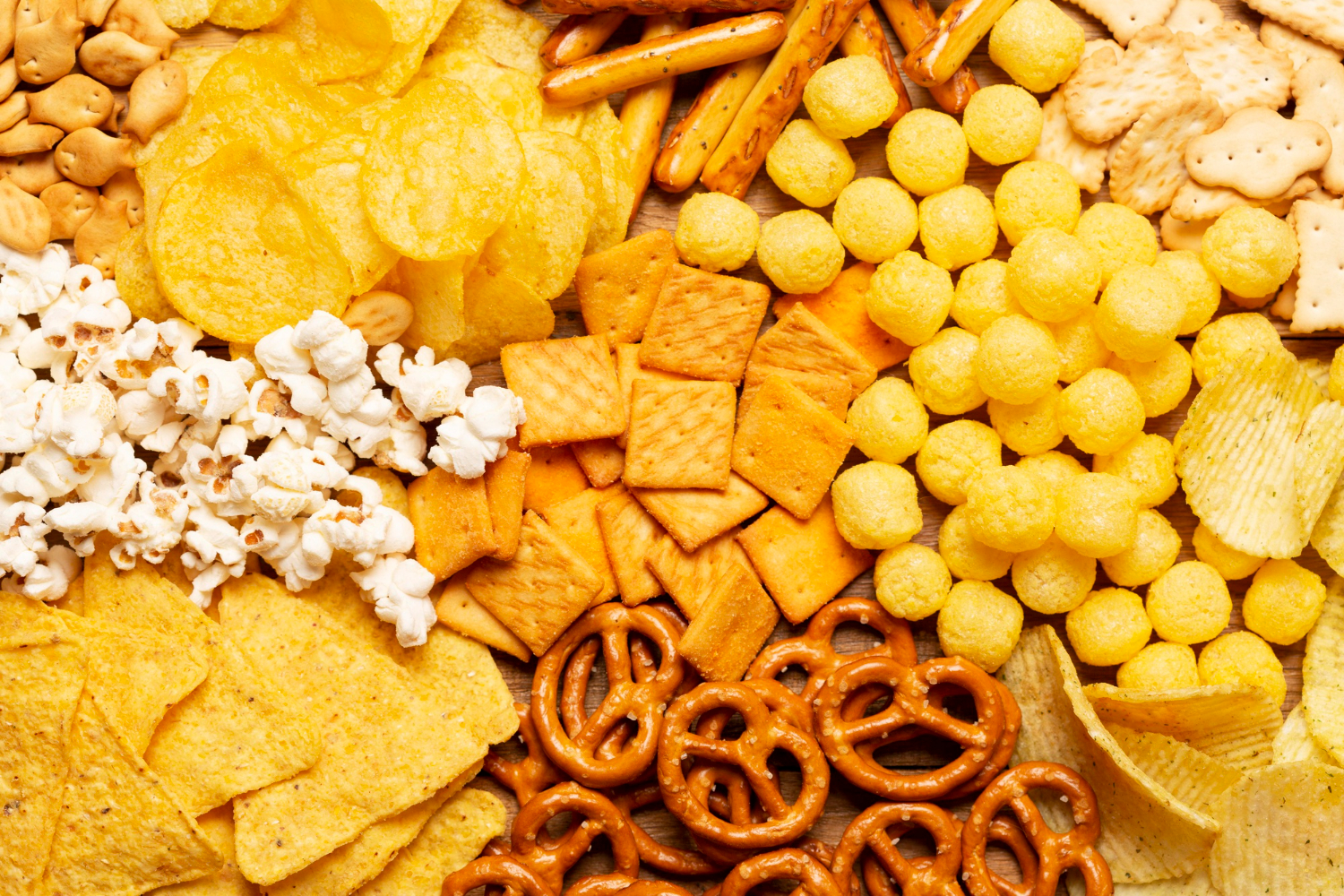
In early 2026, the U.S. Food and Drug Administration (FDA) introduced an important shift in its guidance regarding “no artificial colors” claims on processed foods. Previously, such claims were restricted to products containing absolutely no added color, even if the coloring came from natural sources. The new approach introduces greater flexibility for manufacturers seeking cleaner label positioning.
The updated FDA guidance allows brands to use claims such as:
As long as the formulation does not include petroleum-derived synthetic color additives, such as Red 40 or Yellow 6.
This regulatory shift also supports the use of selected natural colorants — including beet extract and spirulina — without preventing manufacturers from communicating cleaner-label attributes.
This change is part of a broader industry movement toward simpler, more transparent, and consumer-friendly labeling, responding to growing demand for products perceived as natural and minimally processed.
Within this evolving regulatory and market context, MirrorColor emerges as a high-performance lipid-based coloring technology designed to replace synthetic and fungal-derived coloring systems.
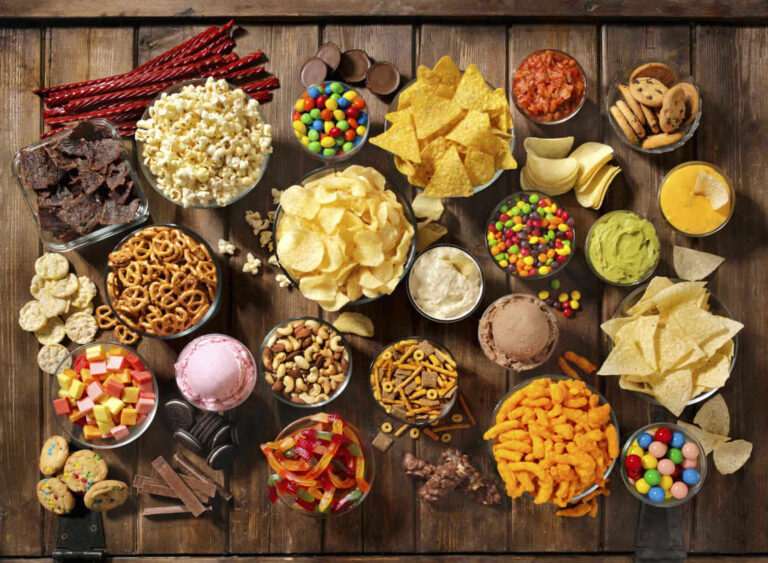
The consumer shift toward cleaner, more transparent labels has been accelerating for years, but regulatory constraints often limited the ability to communicate natural positioning.
With the FDA’s updated stance, technologies like MirrorColor become especially relevant for brands seeking to reformulate products while maintaining commercial competitiveness.
Manufacturers can leverage this innovation to:
The FDA’s increased flexibility regarding “no artificial colors” claims represents a meaningful opportunity for the food industry. In this new environment, solutions such as MirrorColor are not only aligned with regulatory trends but also with evolving consumer expectations.
MirrorColor combines high sensory performance with label simplicity — enabling visually appealing products that can communicate “no artificial colors” while maintaining quality and functionality.