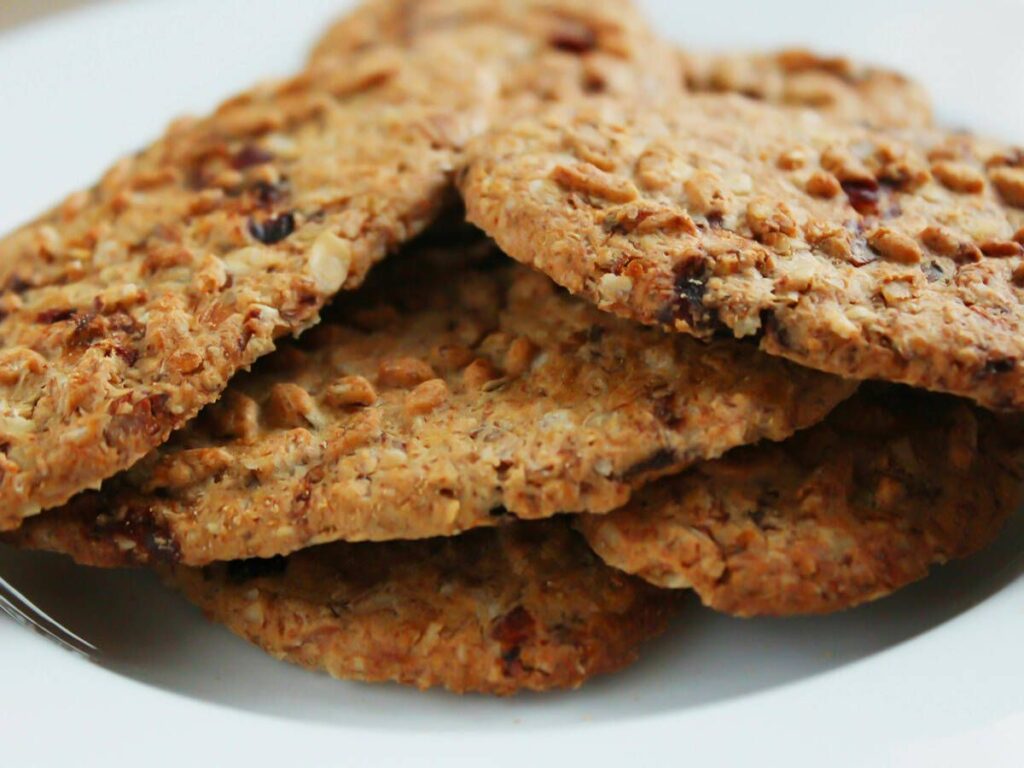
The Power of Clean Label and Sugar Reduction: How MirrorSweet Transforms Cookie Formulations
The clean label trend continues to be a top priority in bakery product development. According to a 2024 survey of R&D professionals, 79% cited clean label as a major trend affecting product strategies, while 61% identified clean label improvements as their main ingredient focus among them, sugar reduction (Atchley, 2024). Consumers are not just seeking cleaner labels; they are demanding transparency and simpler, more recognizable ingredients (Puratos, 2024).
Reducing added sugar isn’t just about health. It aligns with consumer concerns about obesity, diabetes, over consumption and is increasingly driven by public health guidance, such as the FDA’s consideration of added sugars on nutrition labels and WHO’s recommendation for free sugars to constitute less than 10% of daily intake (Berry, 2015).
However, sugar plays multiple functional roles in baking, contributing to texture, structure, moisture, and browning. As a food technologist from ADM points out, replacing sugar is not as simple as swapping in an artificial sweetener, it’s the backbone of many baked goods’ functionality (Berry, 2015).
Why Clean Label and Sugar Reduction Matter
Consumer-Driven: Clean-label attributes like sugar reduction appeal directly to health-conscious consumers who scrutinize ingredient lists (Puratos, 2024); almost 80% of consumers value “100% natural” claims (Puratos, 2024).
Brand Reputation: Clean labels contribute positively to brand perception. In the dairy sector, over 90% of manufacturers use clean labeling strategies to reinforce quality and attract consumers (DairyReporter, 2024).
Market Differentiation: Clean label sugar-reduced bakery products stand out in a crowded market. Reduced sugar claims, particularly when paired with “natural” or “no artificial” labels, significantly influence purchasing decisions (FoodNavigator, 2022).
Our MirrorSweet lipid-based technology is specifically engineered to meet the demands of clean-label formulation in cookie dough and baked goods without relying on sweeteners.
Key Benefits:
Up to 70% sugar reduction in cookie formulations
12% reduction in saturated fats
Maintains the delicious flavor profile of cookie dough
Preserves key processing and textural characteristics, such as hardness and fracturability
Ideal for use in rotary cookies and wire-cut cookies
Responding to the dual challenge of reducing sugar while preserving taste and functionality, MirrorSweet was developed as a breakthrough solution that redefines what is possible in clean-label bakery innovation. By leveraging lipid-based technology, it bridges the gap between consumer demand for healthier, more transparent products and the technical requirements of cookie production. This positions MirrorSweet not just as an ingredient replacement, but as a transformative tool that enables brands to deliver indulgence, nutrition, and trust in every bite.
What Sets MirrorSweet Apart
Clean Label Friendly: No artificial sweeteners needed, just simpler and transparent ingredients.
Functional Integrity: Retains the sensory and structural qualities that make cookies appealing.
Flexibility: Seamlessly integrates into different cookie production methods, including rotary and wire-cut.
Health-Conscious Branding: Allows brands to make compelling, clear claims such as significant sugar and saturated fat reduction, while maintaining indulgence.