How Artificial Intelligence is Revolutionizing the Food Industry:
Projections for 2025 and Its Impact on Pet Food
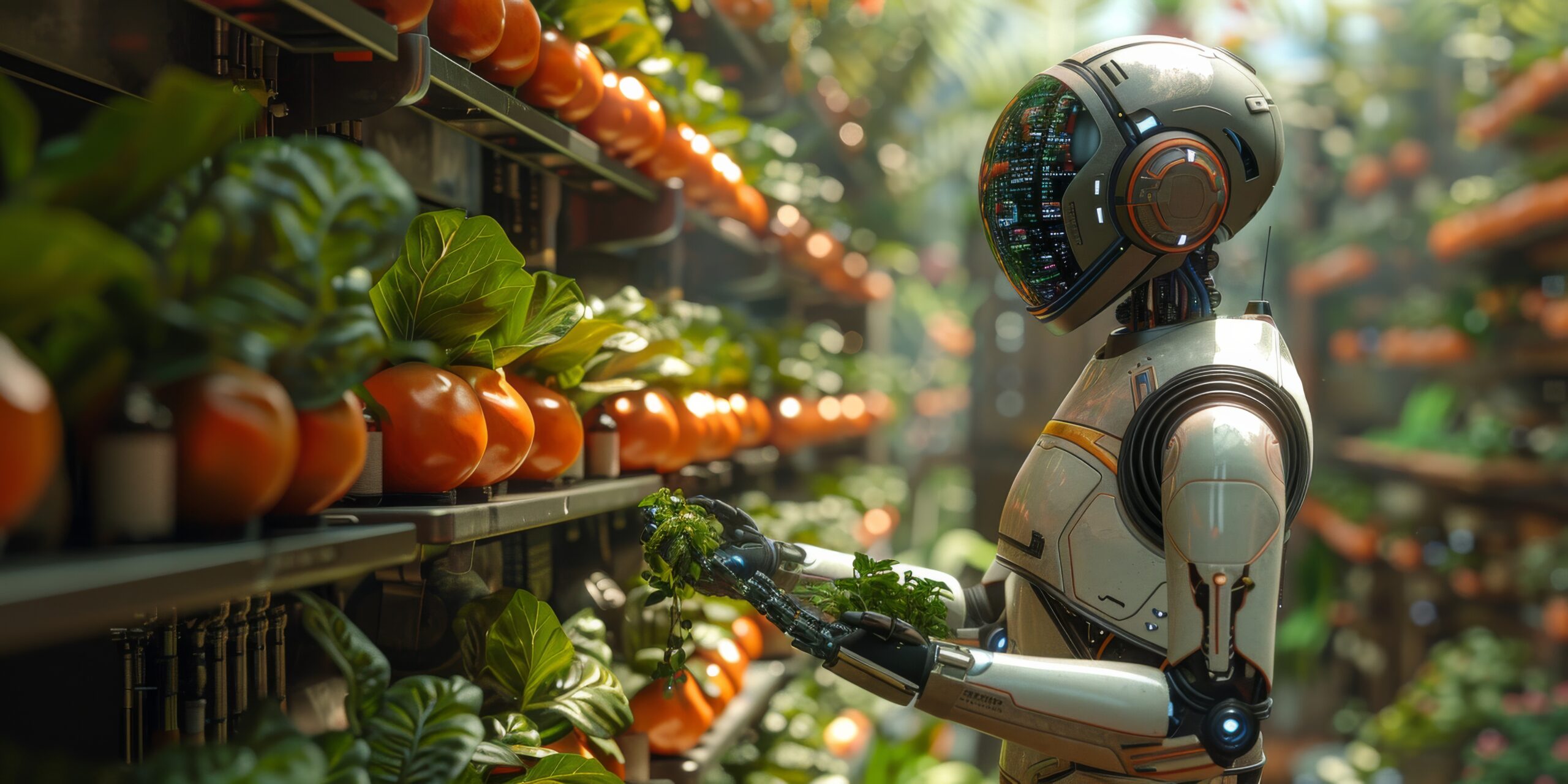
The food industry has always been a dynamic and innovative field, but with the rise of artificial intelligence (AI), it is undergoing a transformation like never before. From optimizing supply chains to creating hyper-personalized diets, AI is reshaping how we produce, distribute, and consume food. By 2025, the role of AI in food systems is projected to grow exponentially, with significant impacts not only on human nutrition but also on sectors such as pet food. Let’s delve into how AI is revolutionizing the food industry, its future projections, and its influence on pet nutrition.
Transforming Food Production and Personalization
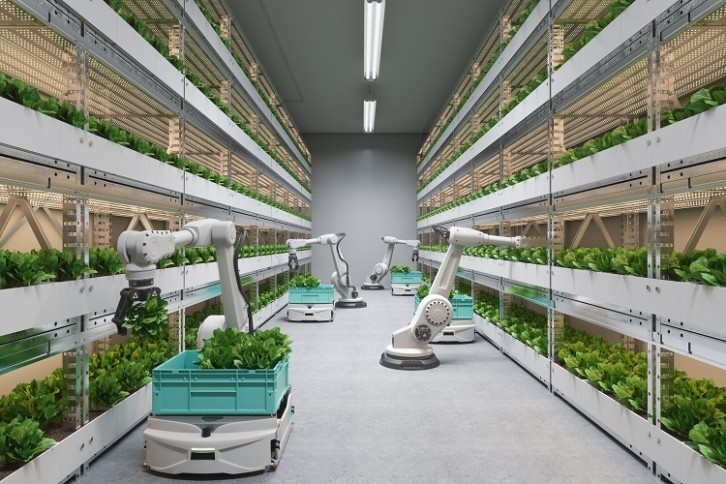
One of the most significant contributions of AI to the food industry is its ability to enhance production efficiency and reduce waste. Machine learning algorithms analyze vast datasets from farms, processing facilities, and distribution networks to predict demand, monitor quality, and optimize resource allocation. For example, AI-powered precision agriculture tools are helping farmers identify the best planting times, reduce pesticide use, and maximize yields.
Moreover, AI is driving the trend toward personalized nutrition. With advancements in AI-driven data analytics, companies can now create customized food products tailored to individual dietary needs, preferences, and health goals. This trend is fueled by wearable devices and apps that monitor consumers’ health metrics in real-time, allowing food companies to design products that cater to specific nutritional requirements. By 2025, it is estimated that the personalized nutrition market will surpass $16 billion globally, largely driven by AI-powered innovations.
Projections for AI in the Food Industry by 2025
AI’s influence on the food industry is set to expand dramatically in the coming years. According to market research, the global AI in the food and beverage market is expected to reach $12 billion by 2025, growing at a compound annual growth rate (CAGR) of 45%. Key areas of growth include:
Supply Chain Optimization: AI will enable more efficient logistics, minimizing food waste by predicting spoilage and optimizing transportation routes.
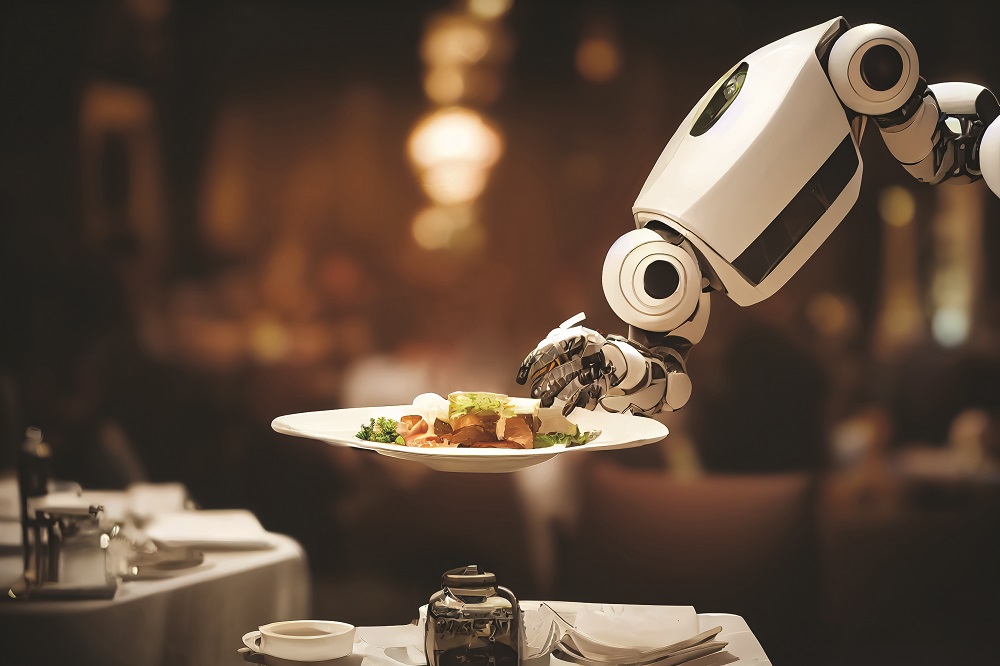
Robotics and Automation: AI-driven robotics will streamline food processing and packaging, reducing labor costs and improving safety standards.
Food Safety and Quality Control: Machine vision systems powered by AI will become more prevalent, ensuring that food products meet strict safety and quality standards.
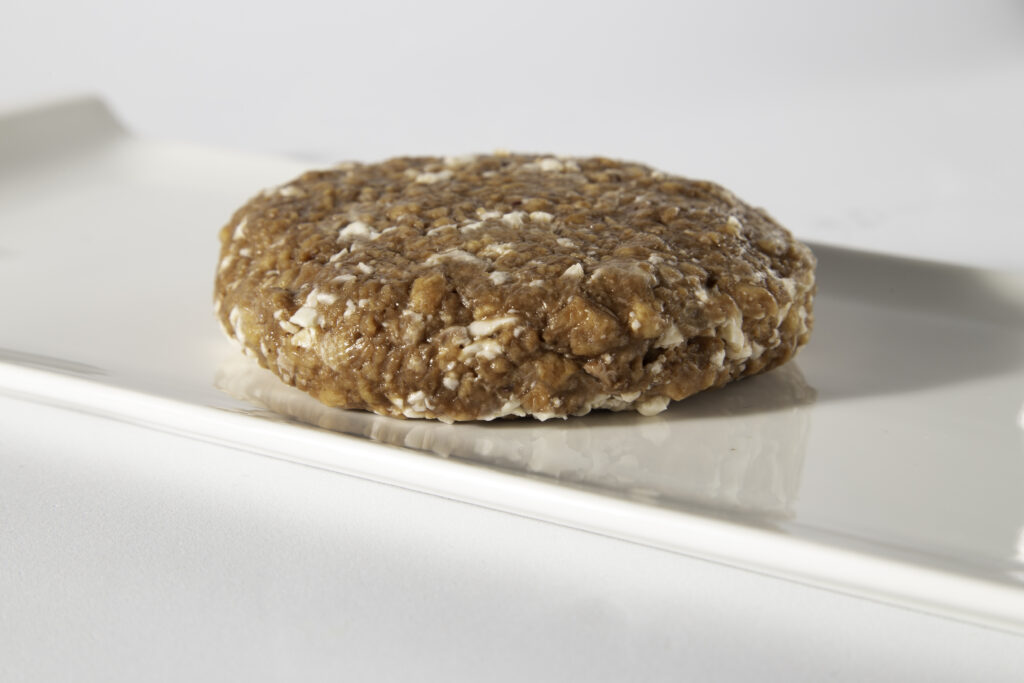
Plant-Based and Alternative Proteins: AI will play a pivotal role in developing innovative plant-based foods, such as lab-grown meat and dairy alternatives, by analyzing consumer preferences and optimizing production processes.
As consumer awareness of sustainability and health continues to grow, AI will be instrumental in creating food solutions that are both environmentally friendly and nutritionally beneficial.
Impact on the Pet Food Industry
AI’s impact extends beyond human consumption to the rapidly growing pet food market. Pet owners are increasingly seeking high-quality, tailored nutrition for their animals, and AI is enabling companies to meet these demands. Here’s how AI is reshaping pet food:
Custom Nutrition Plans: AI algorithms analyze pet data, including breed, age, weight, activity level, and health conditions, to create personalized meal plans. This ensures that pets receive optimal nutrition, enhancing their overall well-being.
Ingredient Sourcing and Sustainability: AI tools are helping pet food manufacturers identify sustainable and high-quality ingredients. For instance, AI can analyze the nutritional profiles of alternative proteins, such as insect-based meals, to determine their suitability for pet food formulations. This aligns with the growing demand for eco-friendly and ethically sourced products.
Predictive Analytics for Health Monitoring: Wearable devices for pets are becoming more common, providing real-time data on activity levels, sleep patterns, and overall health. AI systems analyze this data to detect potential health issues early and adjust dietary recommendations accordingly.
Product Innovation: AI accelerates the development of innovative pet food products. For example, machine learning models can simulate the impact of various ingredients on taste, texture, and nutritional value, allowing companies to create products that meet both pet preferences and nutritional standards.
By 2025, the global pet food market is expected to reach $140 billion, with AI-driven innovations playing a critical role in this growth.
Challenges and Opportunities
While the integration of AI into the food industry offers numerous benefits, it also presents challenges. Ethical concerns surrounding data privacy, the cost of implementing AI technologies, and the need for specialized expertise are significant hurdles that companies must address. However, the opportunities far outweigh these challenges. AI has the potential to:
Reduce food insecurity by optimizing resource distribution.
Enhance sustainability by minimizing waste and promoting alternative proteins.
Improve global health through personalized nutrition and advanced food safety measures.
Artificial intelligence is revolutionizing the food industry, driving innovation across every stage of the supply chain. From personalized nutrition to sustainable pet food solutions, AI is shaping the future of how we produce and consume food. As we approach 2025, the potential for AI to address global challenges in health, sustainability, and efficiency is more evident than ever. Companies that embrace AI-driven technologies will not only gain a competitive edge but also contribute to a more sustainable and innovative food system for humans and pets alike.
Revolutionizing Plant-Based Meat Alternatives: The Game-Changing Impact of MirrorTissue
Mirror Tissue is revolutionizing plant-based meat by replicating the texture and taste of animal fat, enhancing the authenticity of plant-based products. This innovation meets growing consumer demand for high-quality meat alternatives.
How tailored lipid solutions can overcome the production challenges of dairy analogs
Zero deforestation is a priority objective for companies that seek to be leaders in their category and that seek to contribute positively to the planet and communities.
MOSH and MOAH Control: Ensuring Food Safety through High-Impact Strategies
Zero deforestation is a priority objective for companies that seek to be leaders in their category and that seek to contribute positively to the planet and communities.
Trends in the consumption of functional drinks and infant formulas in the United States
Lipids play a significant role in functional beverages by providing palatability and texture, making them appealing to consumers. Learn more about our innovations for this category.
Is it possible to impact sodium and saturated fats through lipids?
At Alianza Team, we develop lipid technologies that may impact the amount of sodium and saturated fat content in products such as chips, snacks, dips, laminated bakery, and more.